Skip to content
Surfaces & Coatings

Surface. Texture. Identity.

Define the identity of your space with our wide range of coating options.

Surface
Series

01 / 20

01

Compact Panel

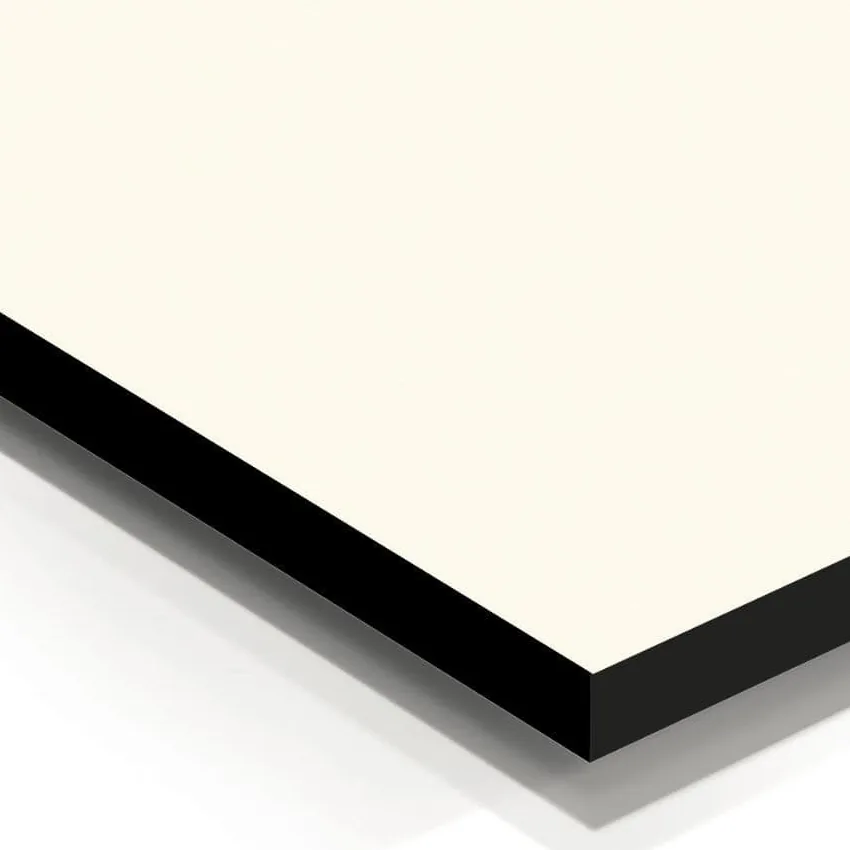
Compact Panel is an extremely durable, dense decorative board produced by coating resin-impregnated kraft papers pressed under high pressure with a melamine surface. It shows high resistance to water, steam, moisture and impact. This makes it a long-lasting solution especially for wet areas and high-traffic spaces.

Compact Panel surface
Compact Panel detail 1

02

Technowood Veneer

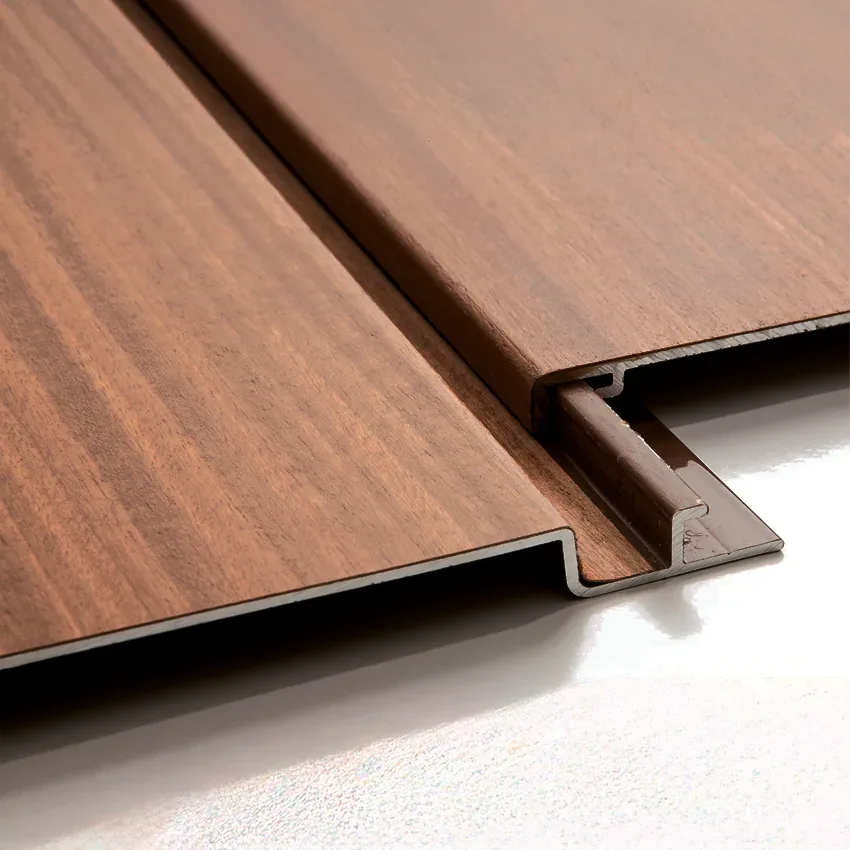
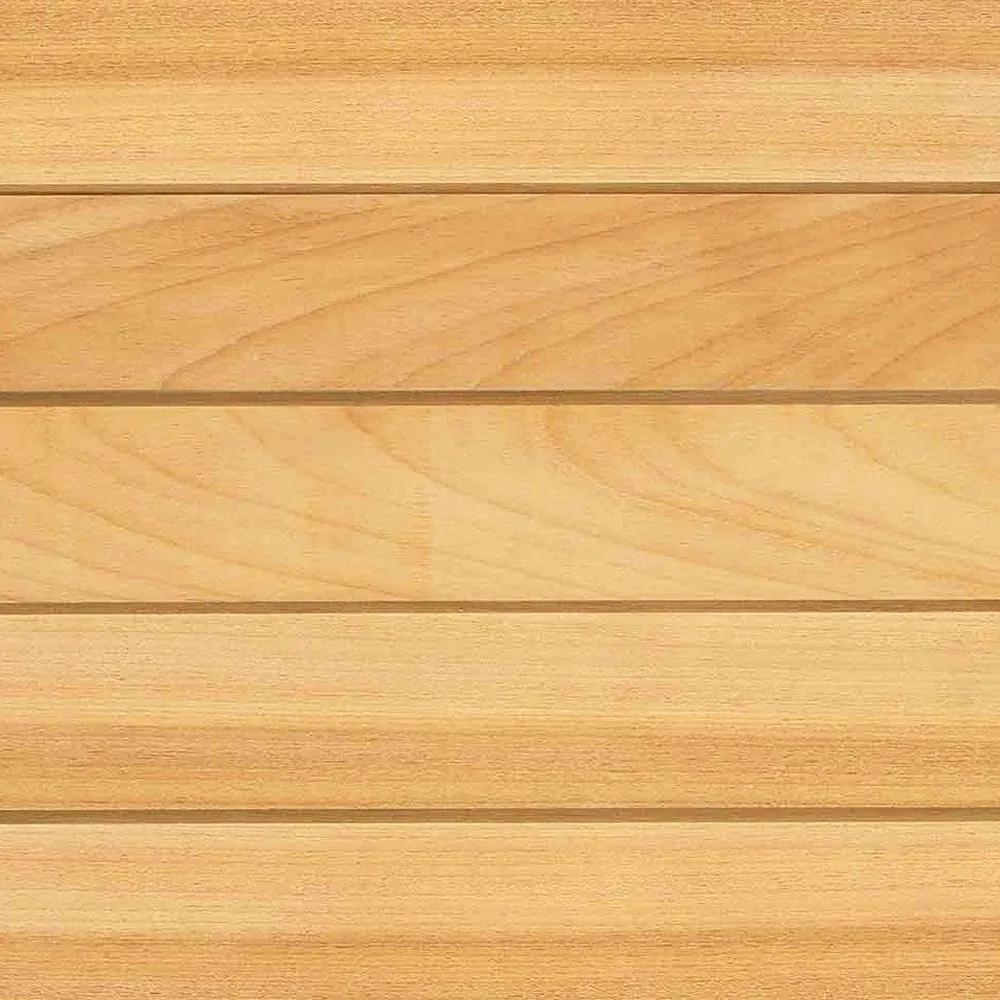
Technowood is an innovative building system that combines light, durable materials such as aluminum, composite and GRP with a natural wood veneer only 0.5 mm thick. With this technology, the warm, natural look of wood is perfectly combined with the lightness, environmentally friendly production and long service life that modern buildings require.

Technowood Veneer surface
Technowood Veneer detail 1

03

Aluminum

Aluminum surfaces with electrostatic powder coating or anodizing; lightweight, corrosion-resistant and long-lasting in outdoor conditions. Applied as flat sheets, slats or CNC patterns, they give the entrance door a crisp, architectural line.

Aluminum surface

04

Porcelain

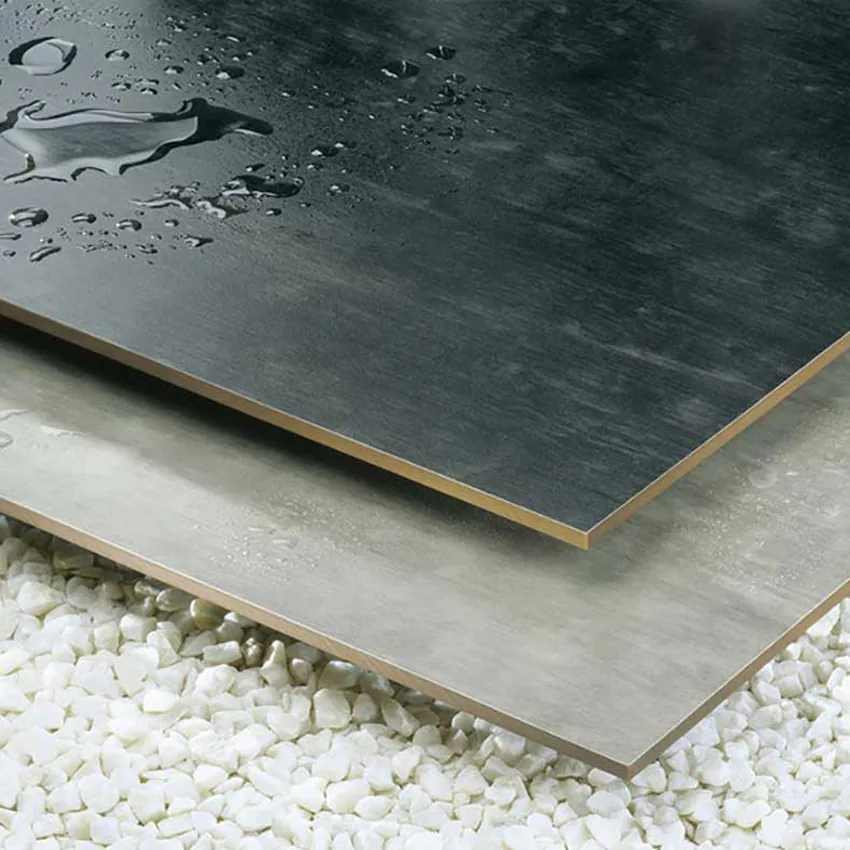
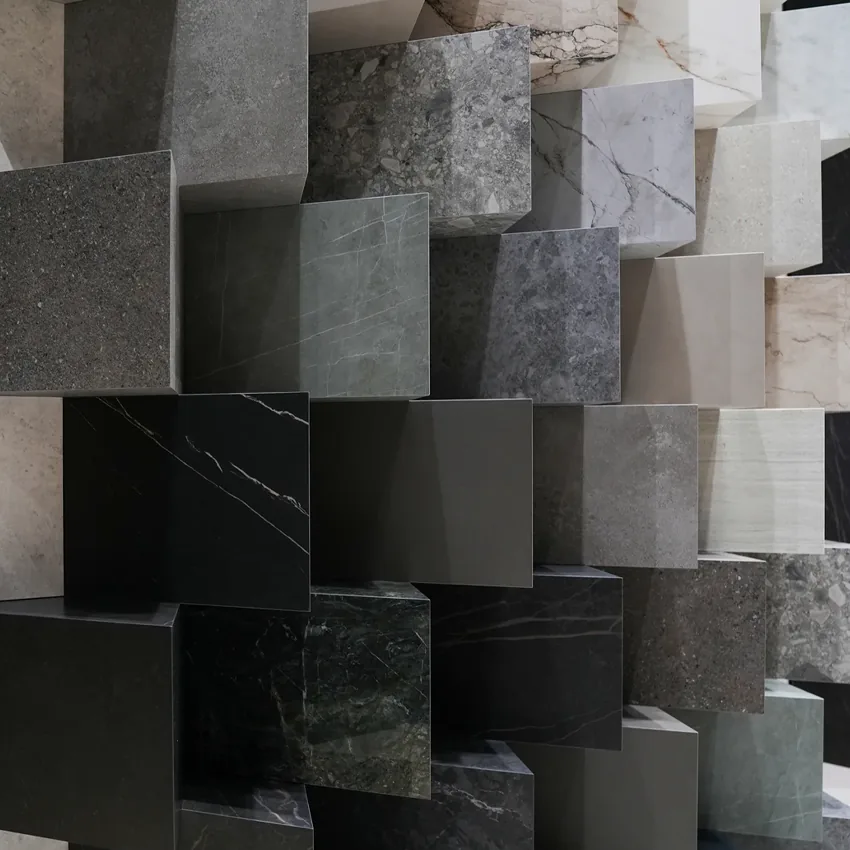
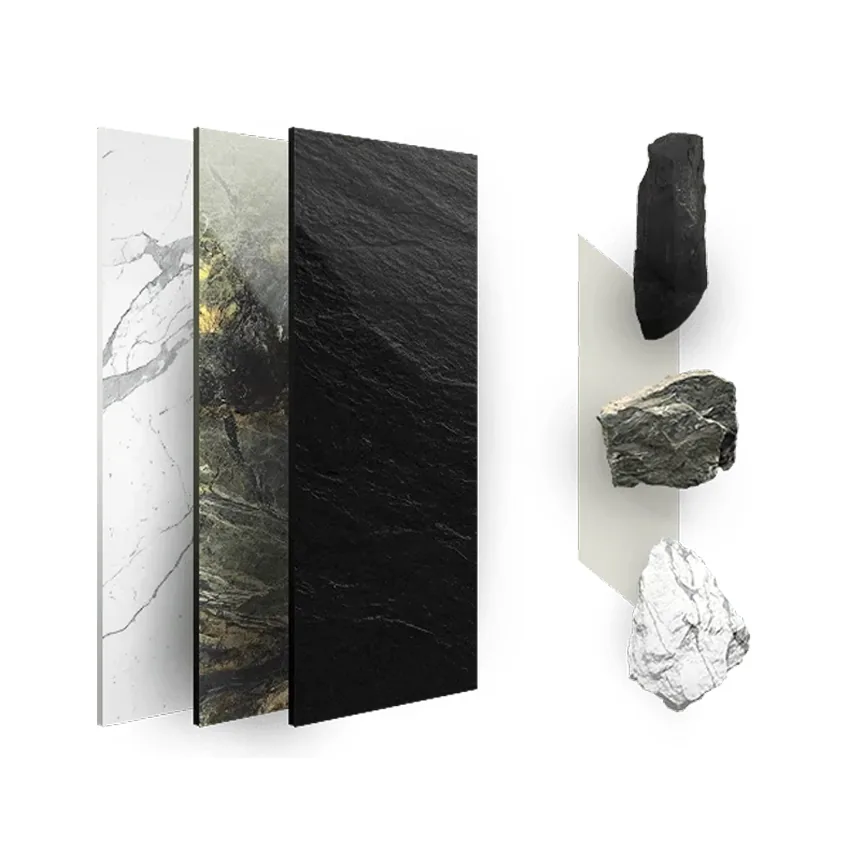
Porcelain door cladding is an innovative application that combines durability and an aesthetic look on door surfaces. Usually made of thin, high-density porcelain slabs, it is applied to the front and/or back of the door with special adhesives. These claddings are highly resistant to scratches, impact, UV rays and moisture. They offer modern, long-lasting solutions especially in prestigious projects such as luxury residences, hotels and commercial buildings.

Porcelain surface
Porcelain detail 1

05

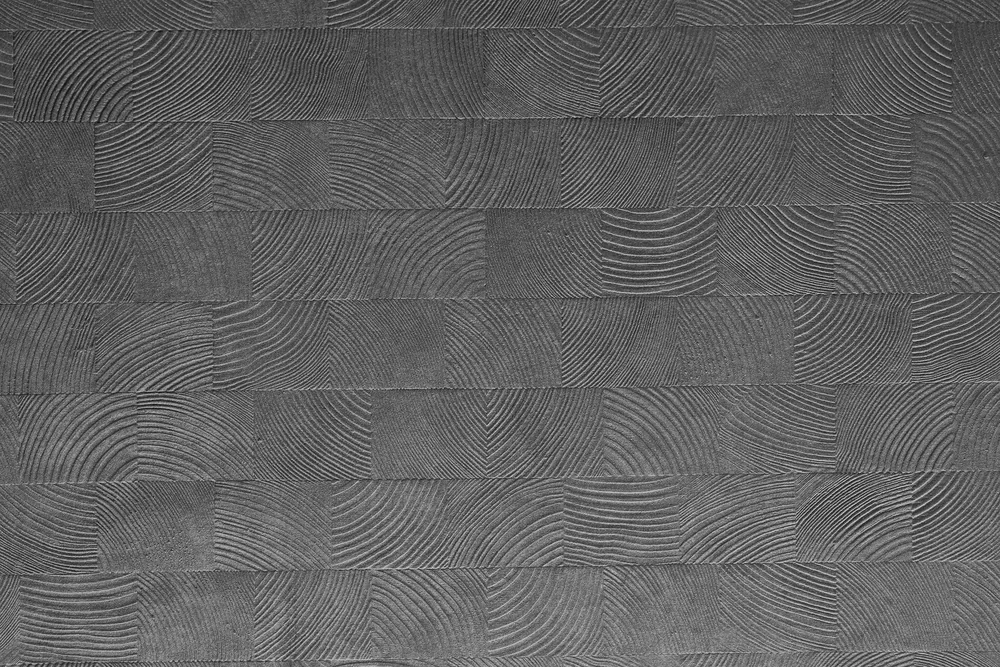
Natural Wood

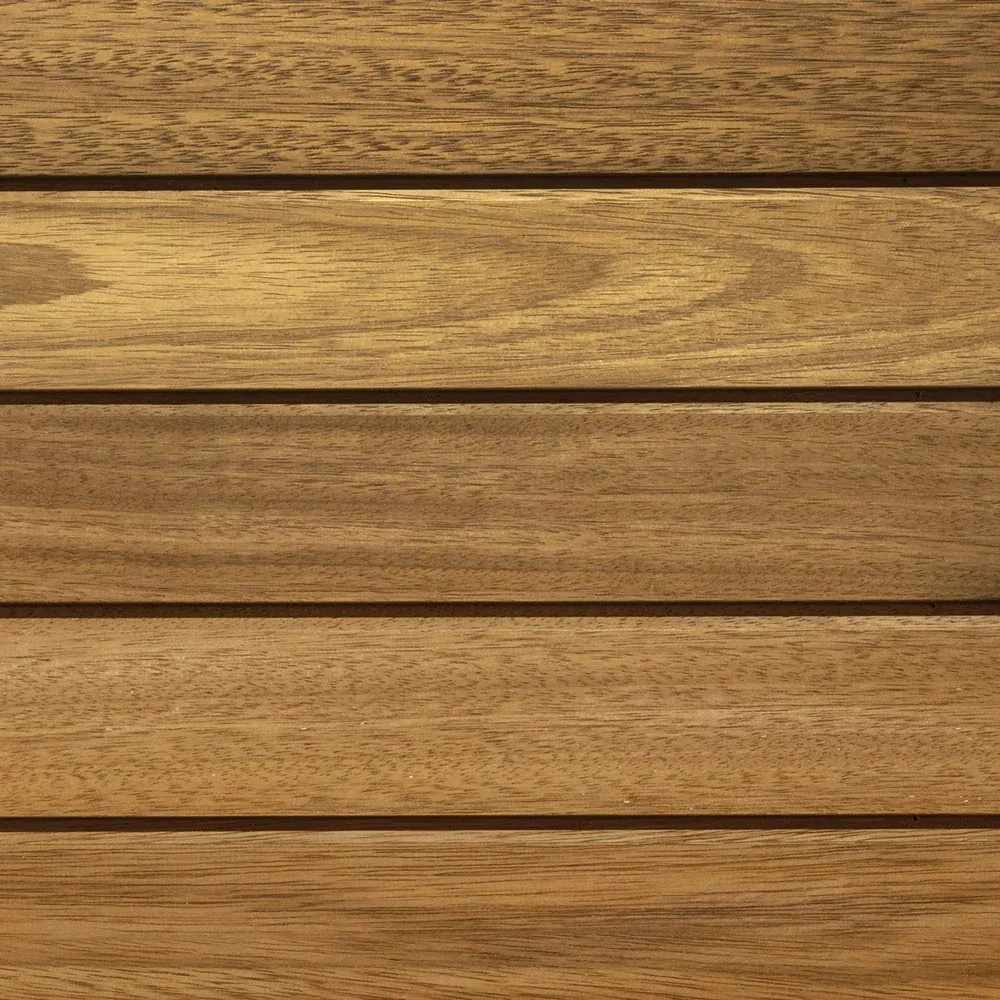
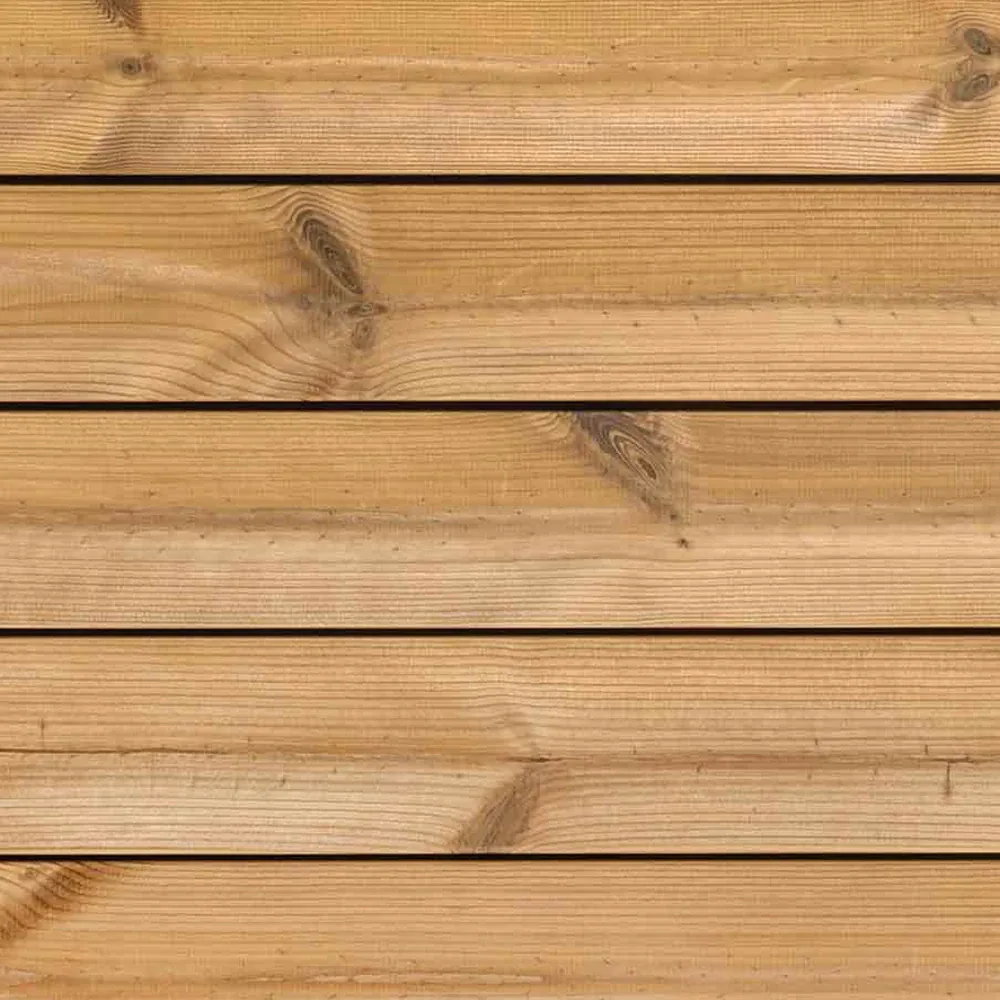
Natural wood is a premium surface material obtained directly from the log and processed with its natural fiber texture preserved. Thanks to its warm, sincere and timeless aesthetics, it is preferred in both modern and classic door designs. Each panel offers a unique visual texture with its own grain and color tones, which makes every door a one-of-a-kind design.

Natural Wood surface
Natural Wood detail 1
Natural Wood detail 2

06

Natural Wood Veneer

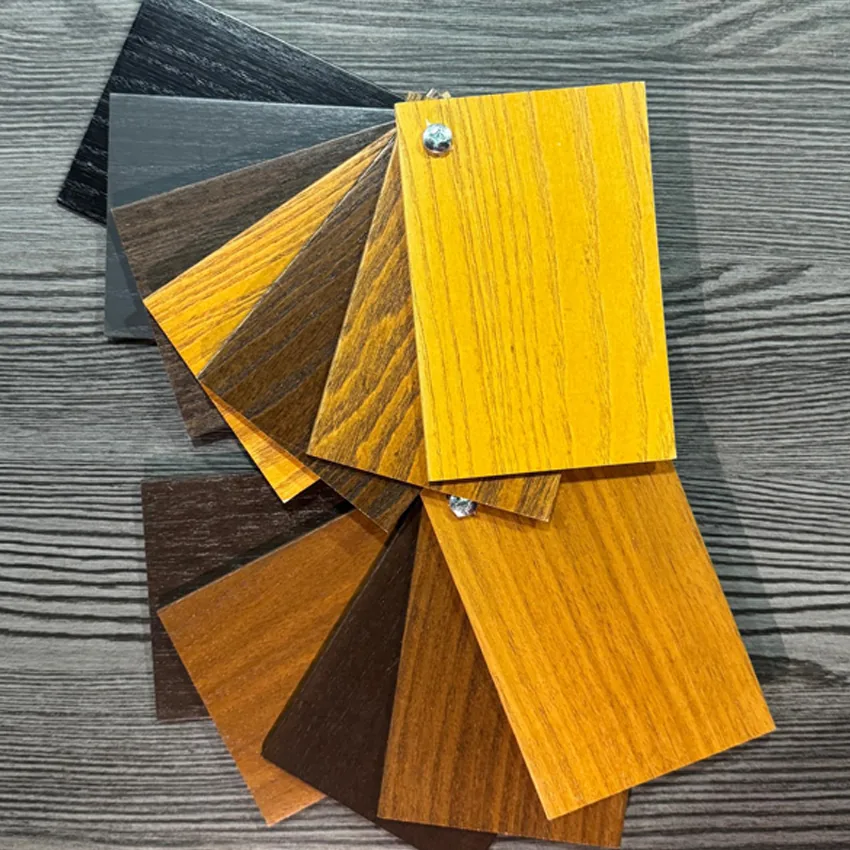
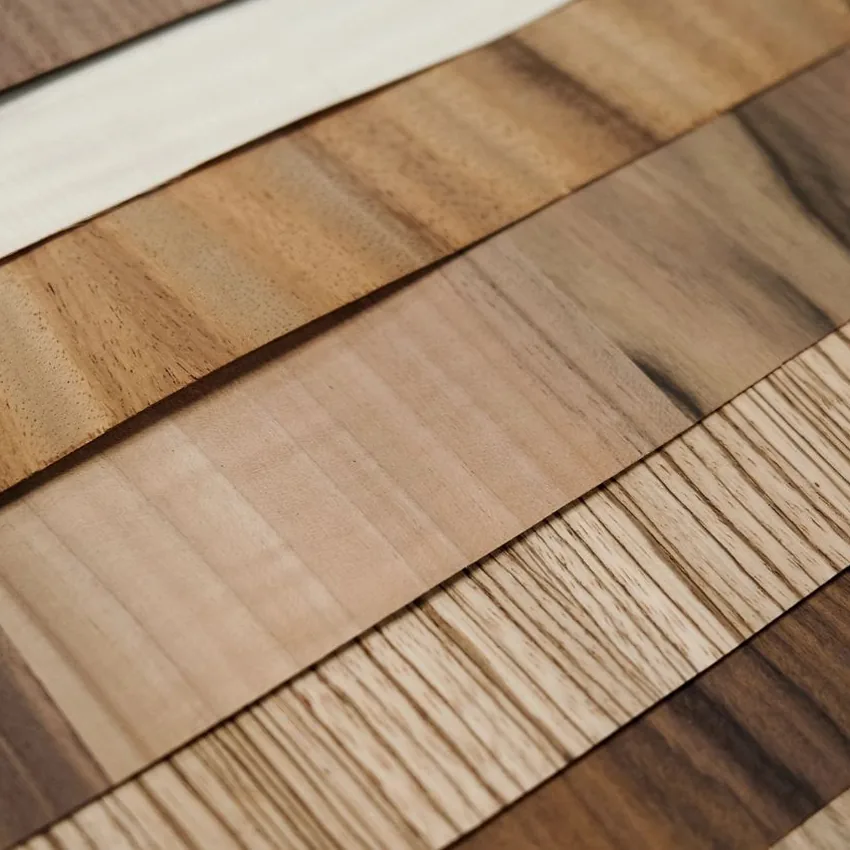
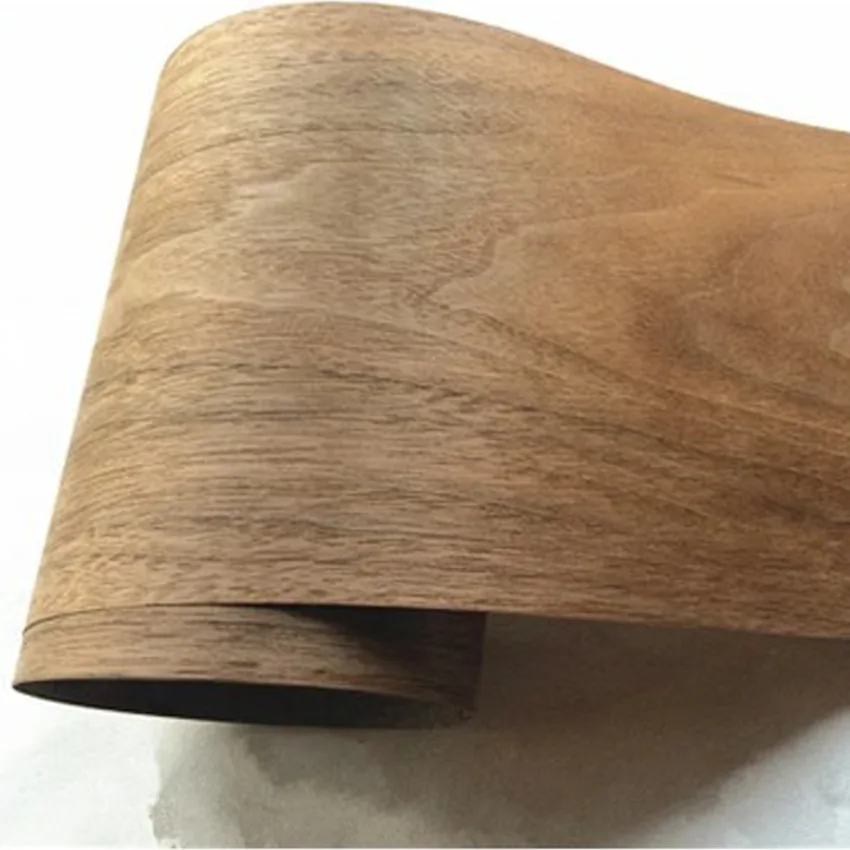
Natural wood veneer is both an aesthetic and an economical surface solution, created by pressing thin layers cut from a real log onto door panels or other surfaces. This method preserves the natural texture and warm look of solid wood while optimizing the use of material. Each veneer sheet is unique in its grain and color tone, which makes every door one of a kind.

Natural Wood Veneer surface
Natural Wood Veneer detail 1
Natural Wood Veneer detail 2

07

Lacquered Surface

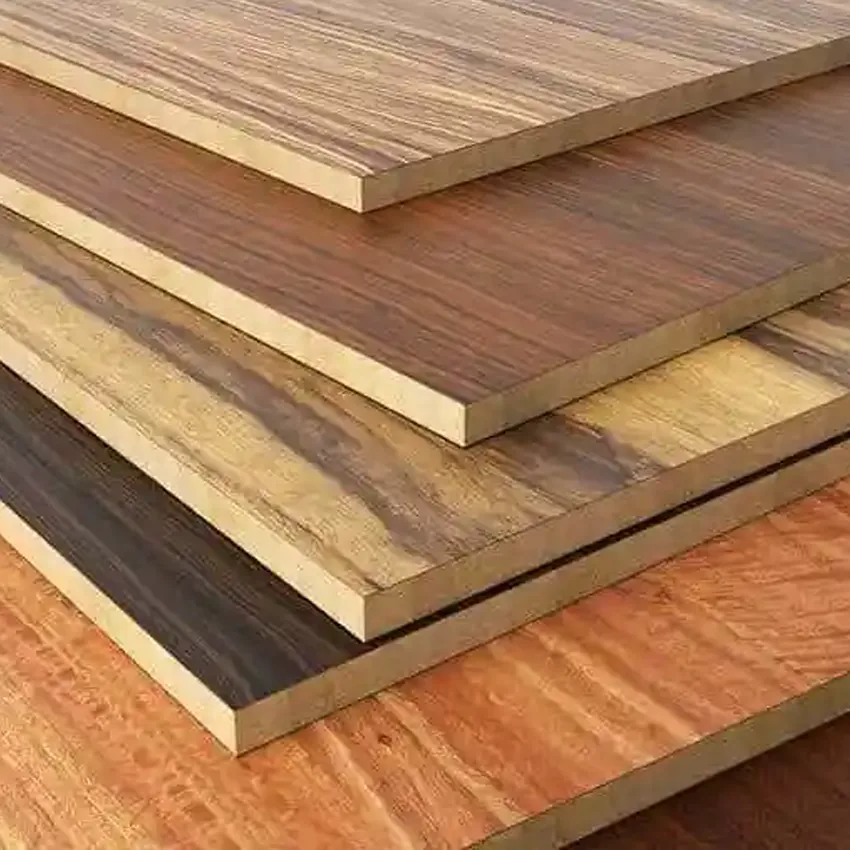
A lacquered surface is a high-end finishing technique in which wood or MDF panels are given a smooth, glossy or matte look through a special painting and polishing process. Offering an elegant and modern effect, lacquer is preferred especially in luxury door, furniture and interior design for its high color saturation and flawless surface. During production, the surface is sanded, primed and coated with layers of paint several times to achieve a flawless texture.

Lacquered Surface surface
Lacquered Surface detail 1
Lacquered Surface detail 2

08

Fabric

A textured fabric finish applied to the leaf; it brings a soft, warm texture and quiet elegance to the interior. Color and pattern are chosen for each project.

Fabric surface

09

Leather

Leather cladding creates a timeless, warm and luxurious surface on panel doors. Texture and color are selected to suit the material palette of the space.

Leather surface

10

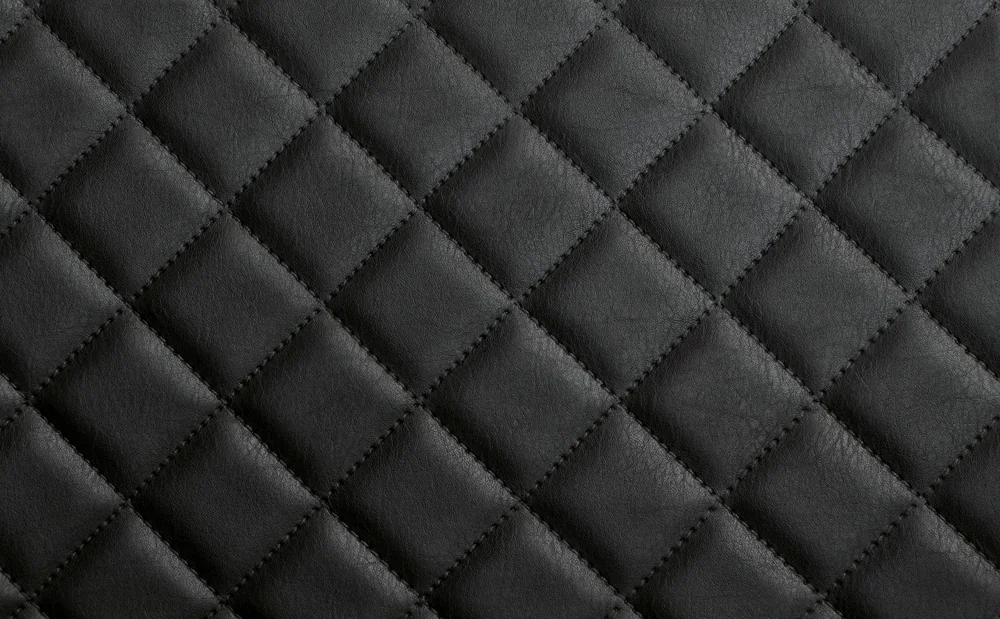
Quilted leather

Quilted, stitched leather cladding; its dimensional texture gives classic and luxury interiors a surface with a handcrafted feel.

Quilted leather surface

11

Glass

Glass is a material with a clear, translucent or opaque surface, used in door systems as both an aesthetic and a functional element. In modern architecture, glass brings natural light into the interior while creating visual continuity between spaces. The glass used in Pivotal door systems is chosen not only as an aesthetic element but as a high-quality component that provides security and insulation.

Glass surface
Glass detail 1
Glass detail 2

12

Clear

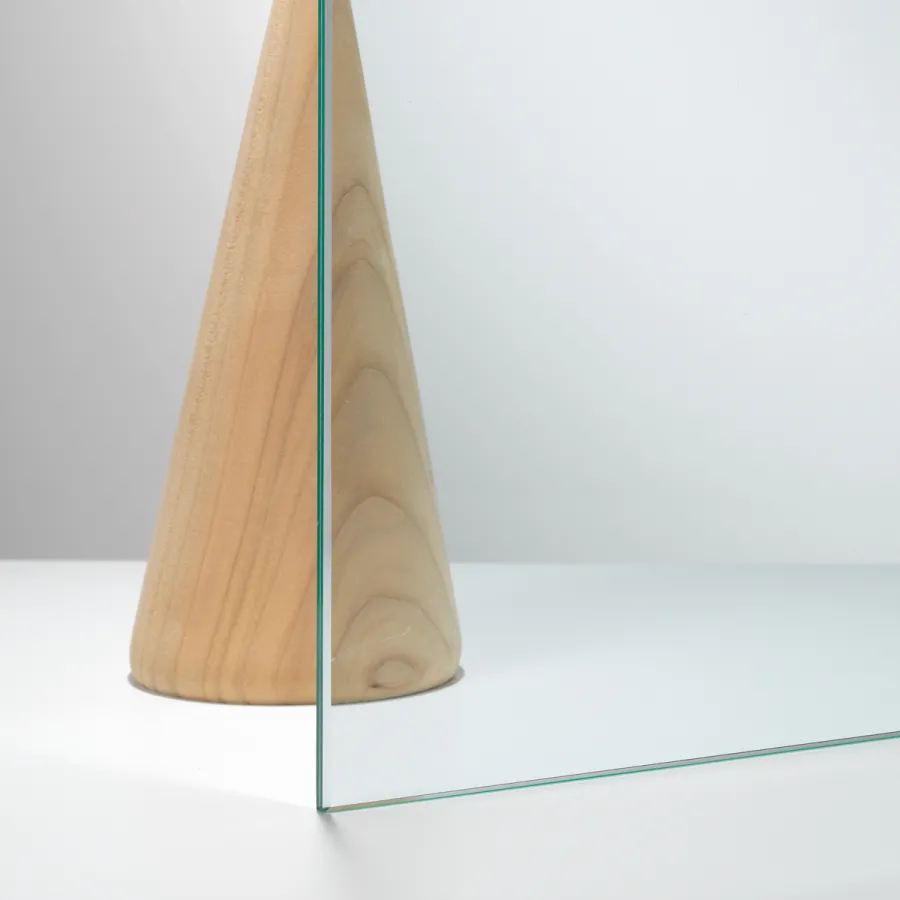
Clear glass with high light transmission; it preserves visual continuity between spaces and highlights the line of the slim profile.

Clear surface

13

Smoked

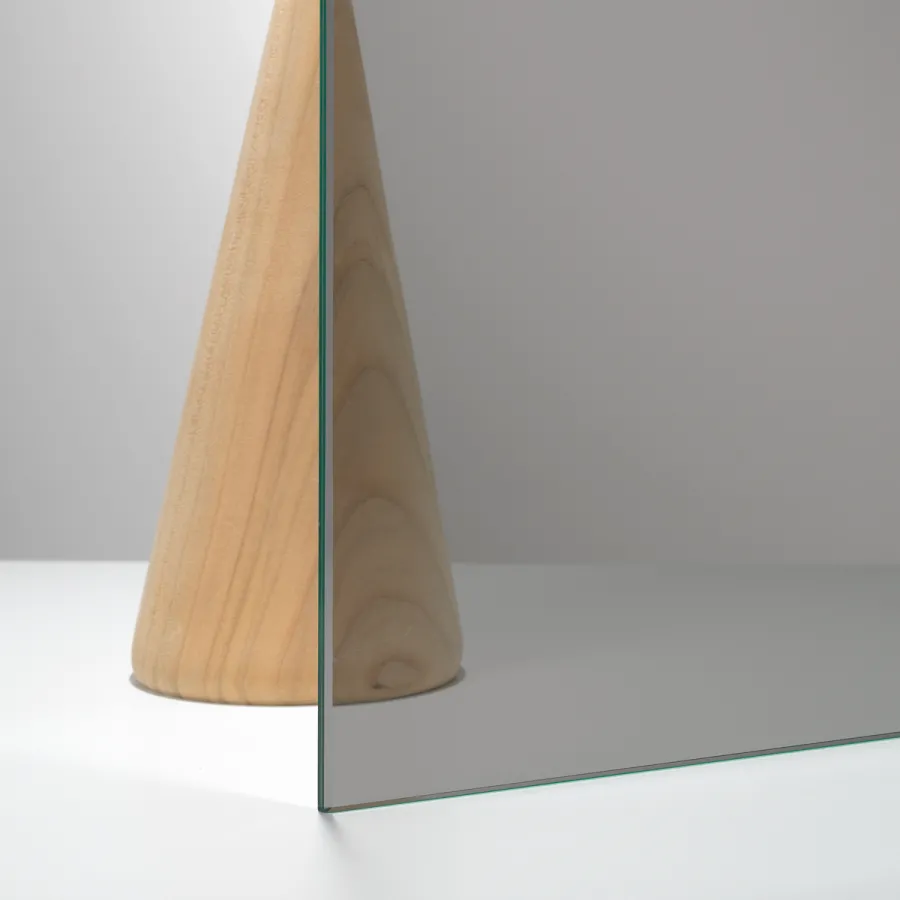
Grey-tinted smoked glass; it softens light, increases privacy and gives the leaf a deep, modern look.

Smoked surface

14

Tinted

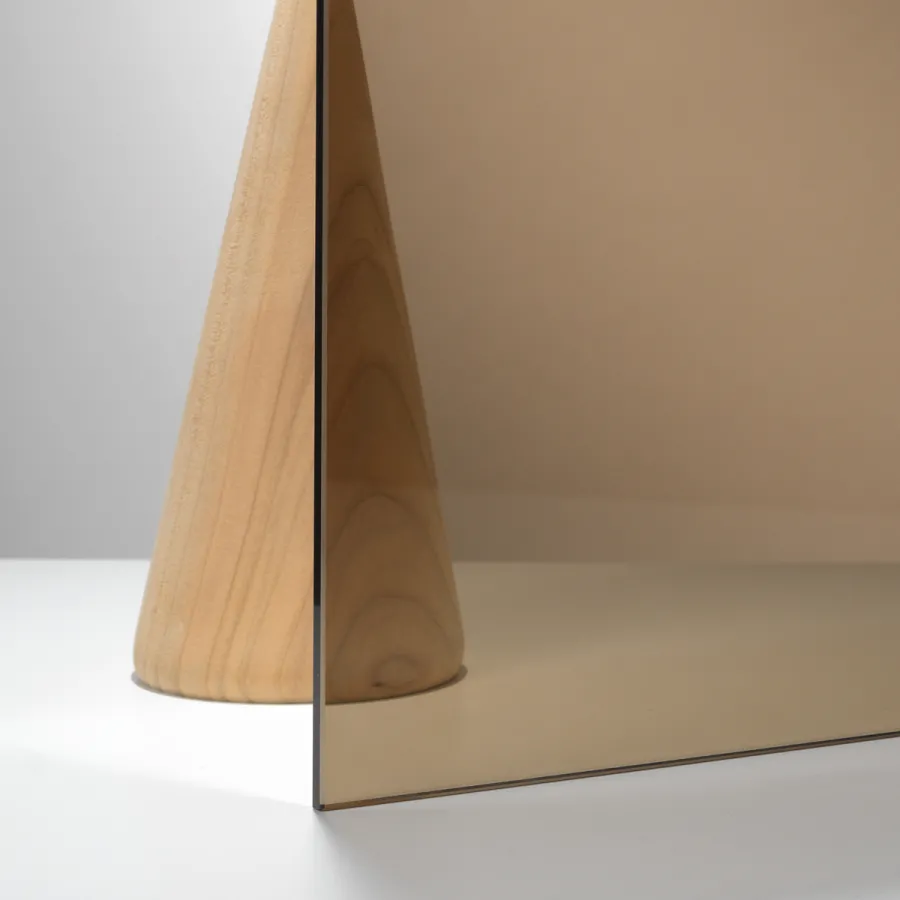
Bronze-tinted colored glass; it acts as a warm light filter and offers a sophisticated look that pairs well with wood and metal details.

Tinted surface

15

Reeded

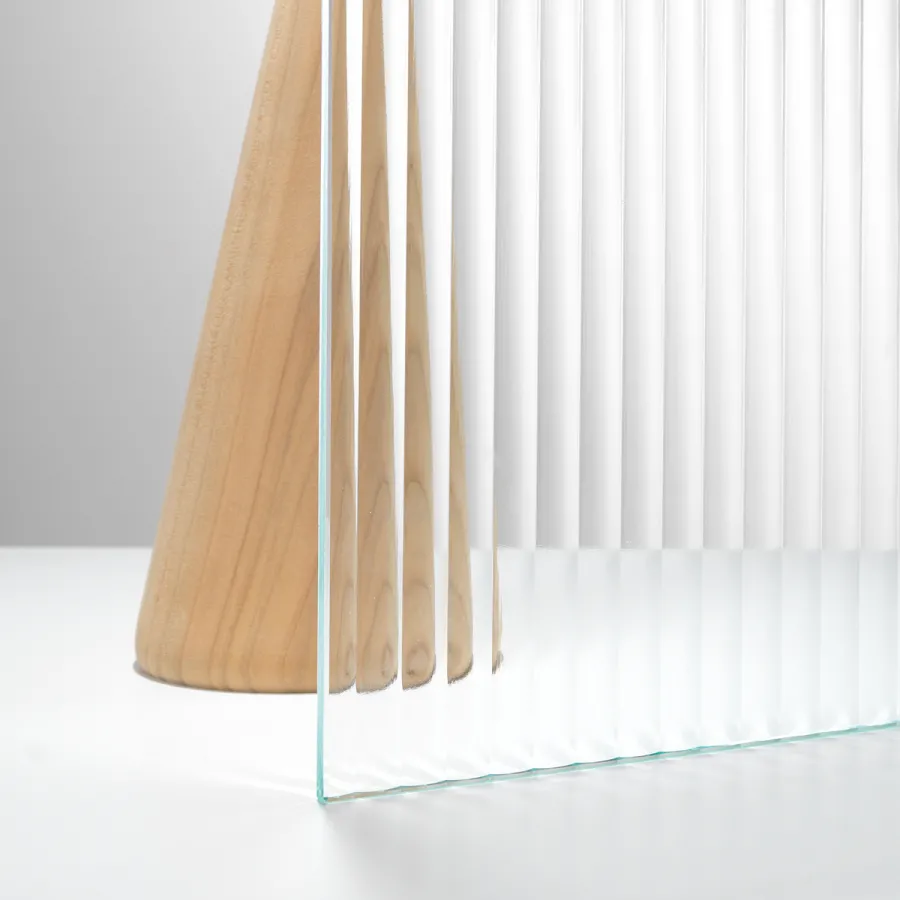
Vertically reeded (fluted) glass; it lets light through while breaking up the view, providing privacy and a rhythmic texture.

Reeded surface

16

Satin

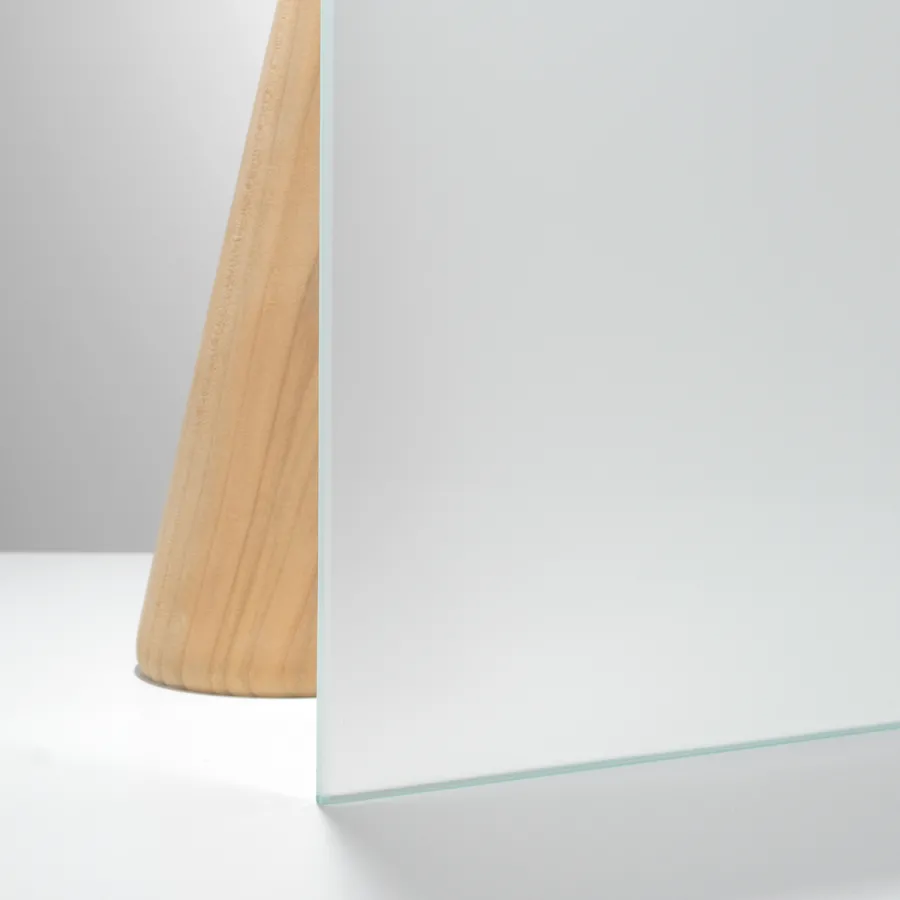
Frosted satin glass; it diffuses light into a soft, even glow and provides full privacy.

Satin surface

17

Striped

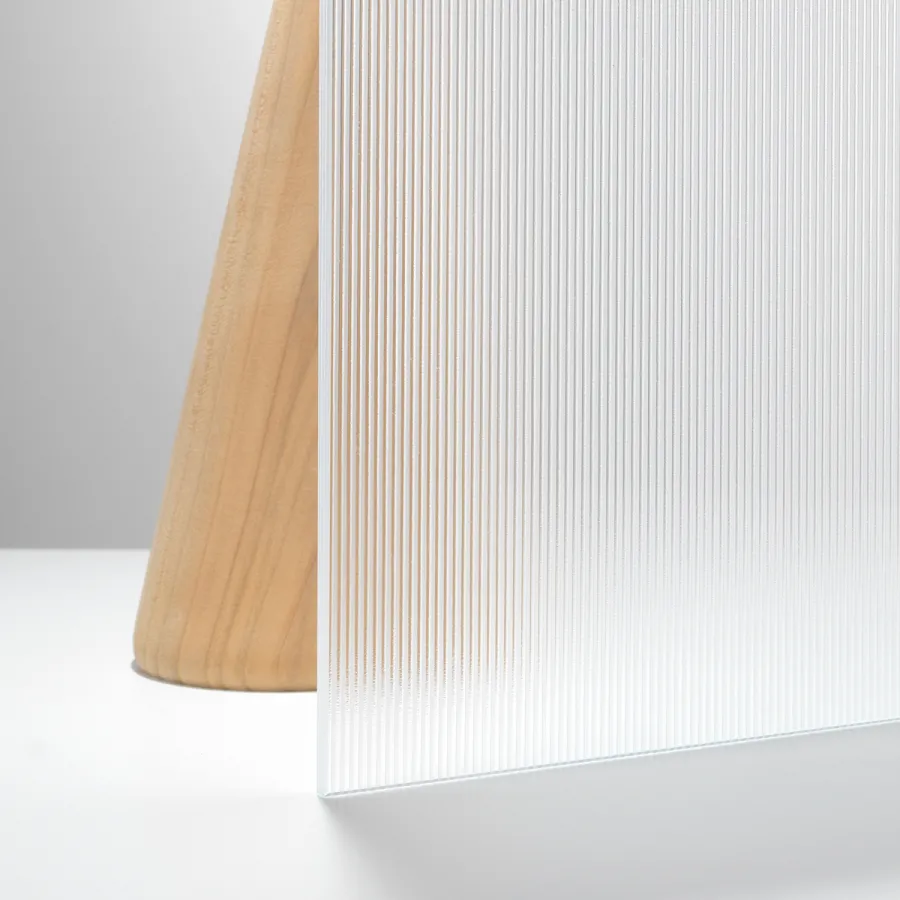
Glass with a fine line pattern; its translucent surface creates privacy and an elegant graphic effect.

Striped surface

18

Metal mesh

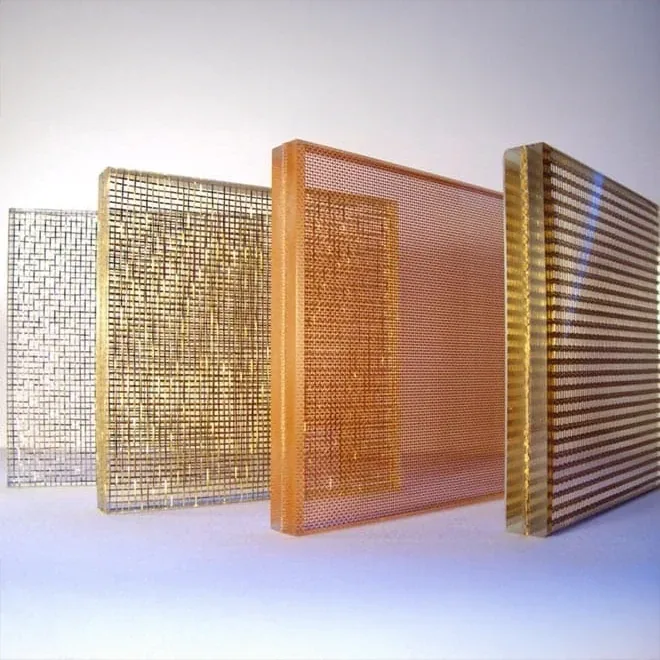
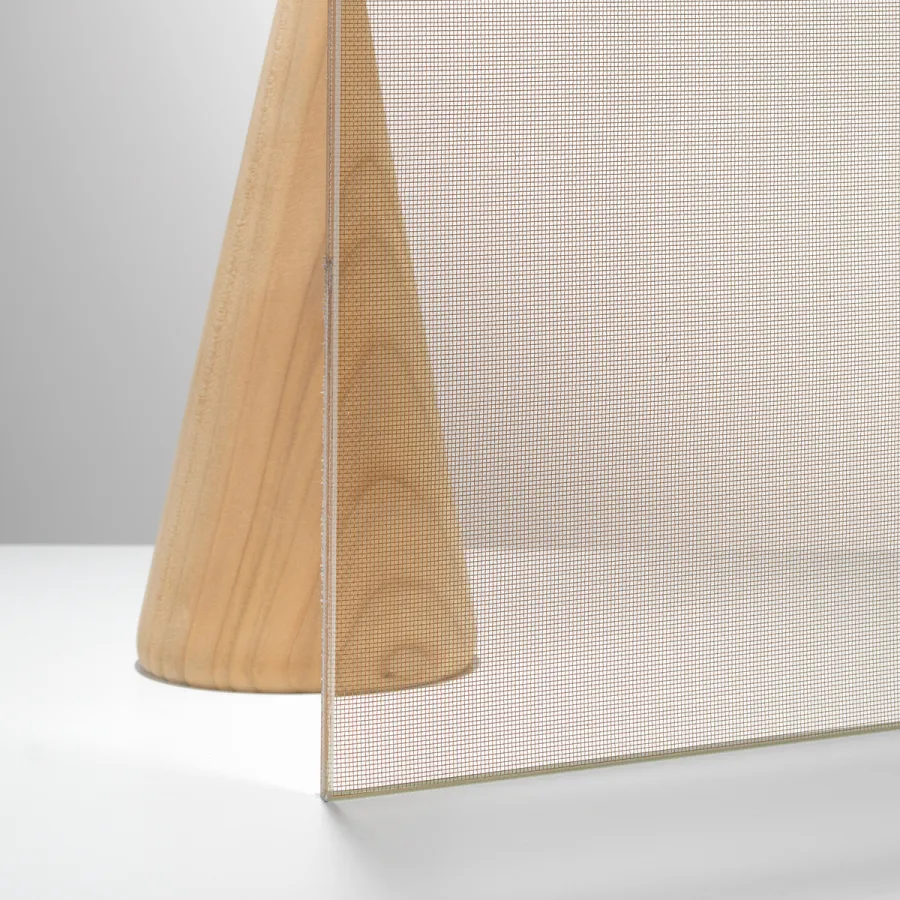
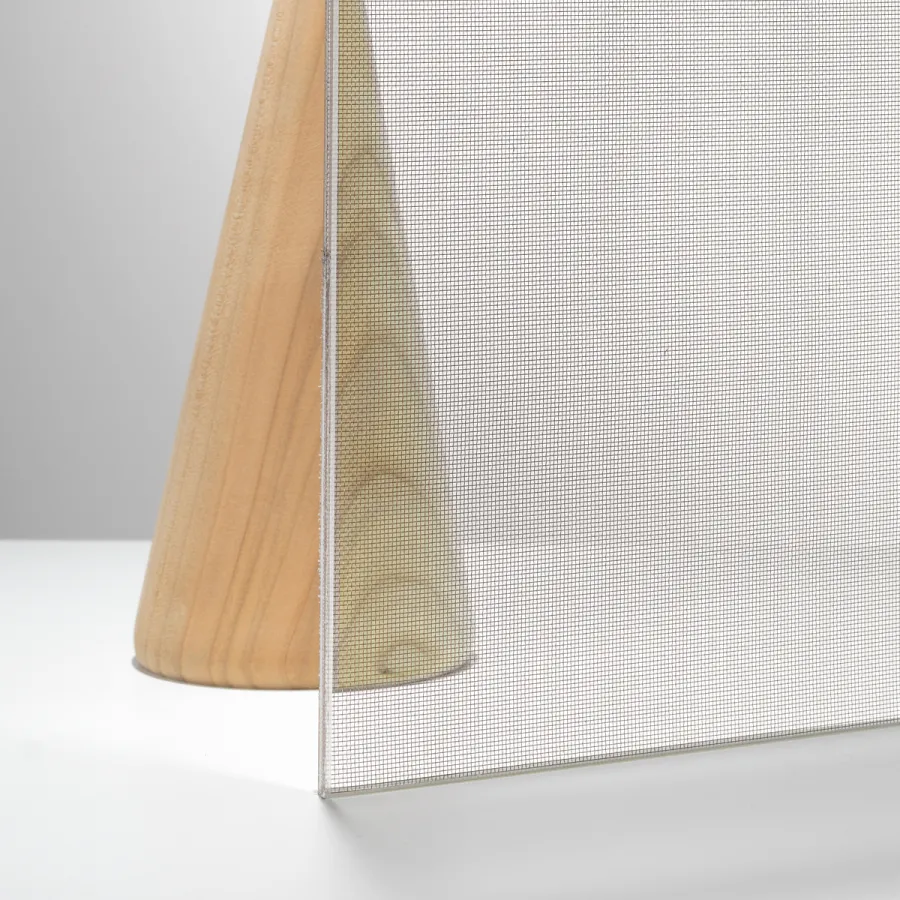
Metal mesh enclosed in laminated glass; its texture changes with the light and gives the door an architectural character.

Metal mesh surface

19

Fabric-laminated

Laminated glass with a fine, fabric-like mesh; it filters light into a soft, decorative surface with a textile feel.

Fabric-laminated surface

20

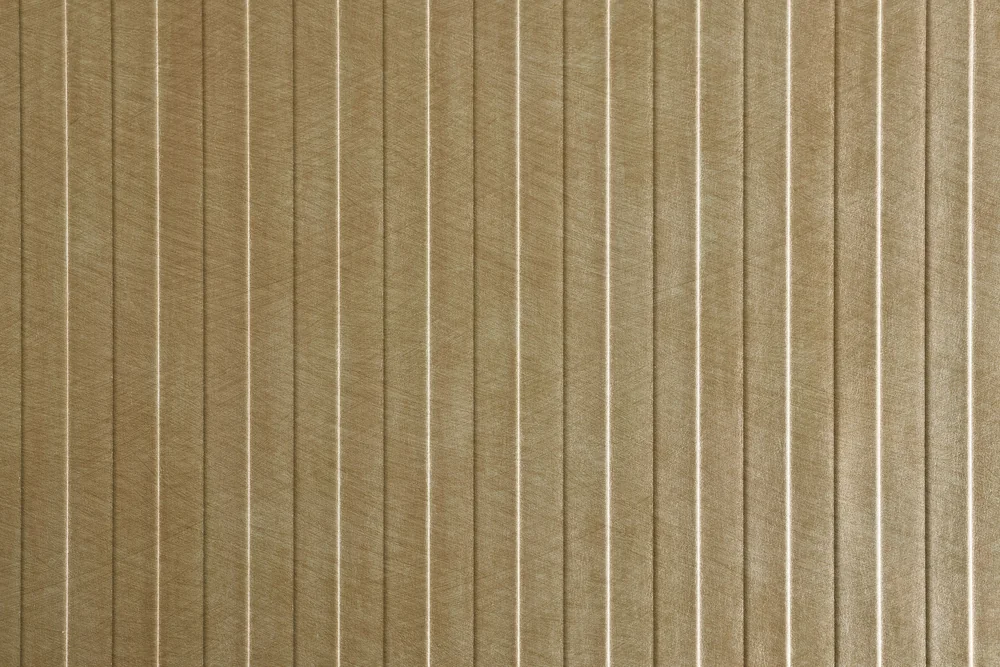
Bronze metal mesh

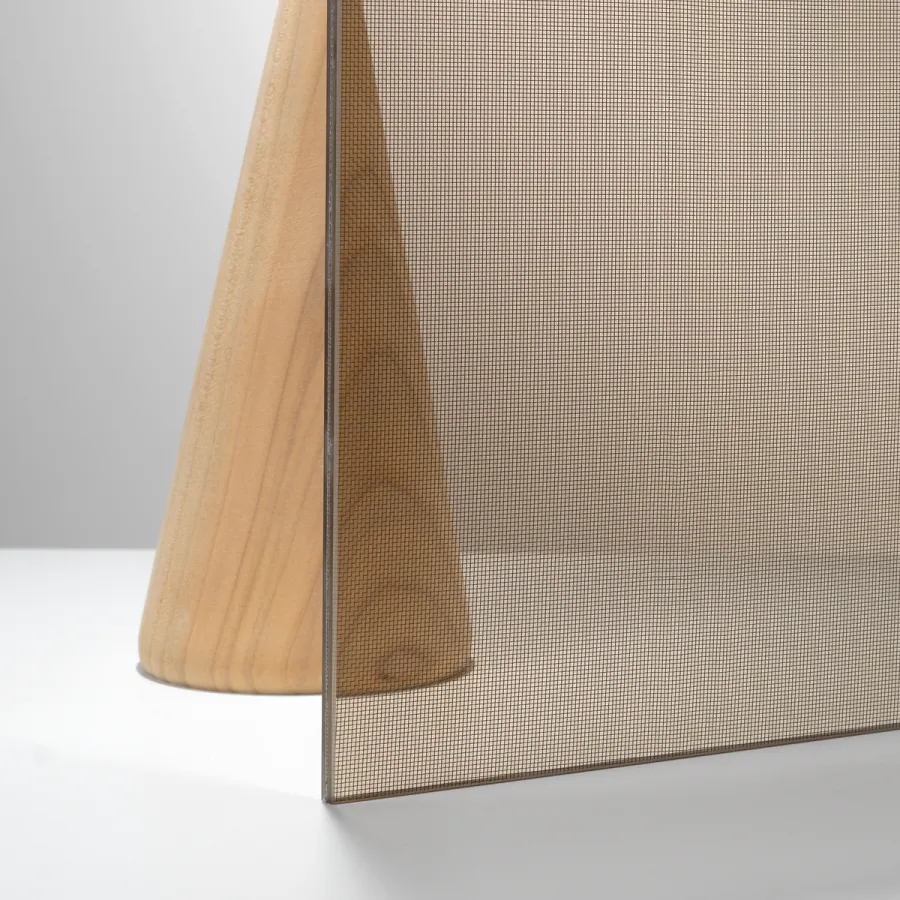
Laminated glass with bronze-toned metal mesh; its warm metallic sheen adds a luxurious accent to the leaf.

Bronze metal mesh surface

Profile Surfaces

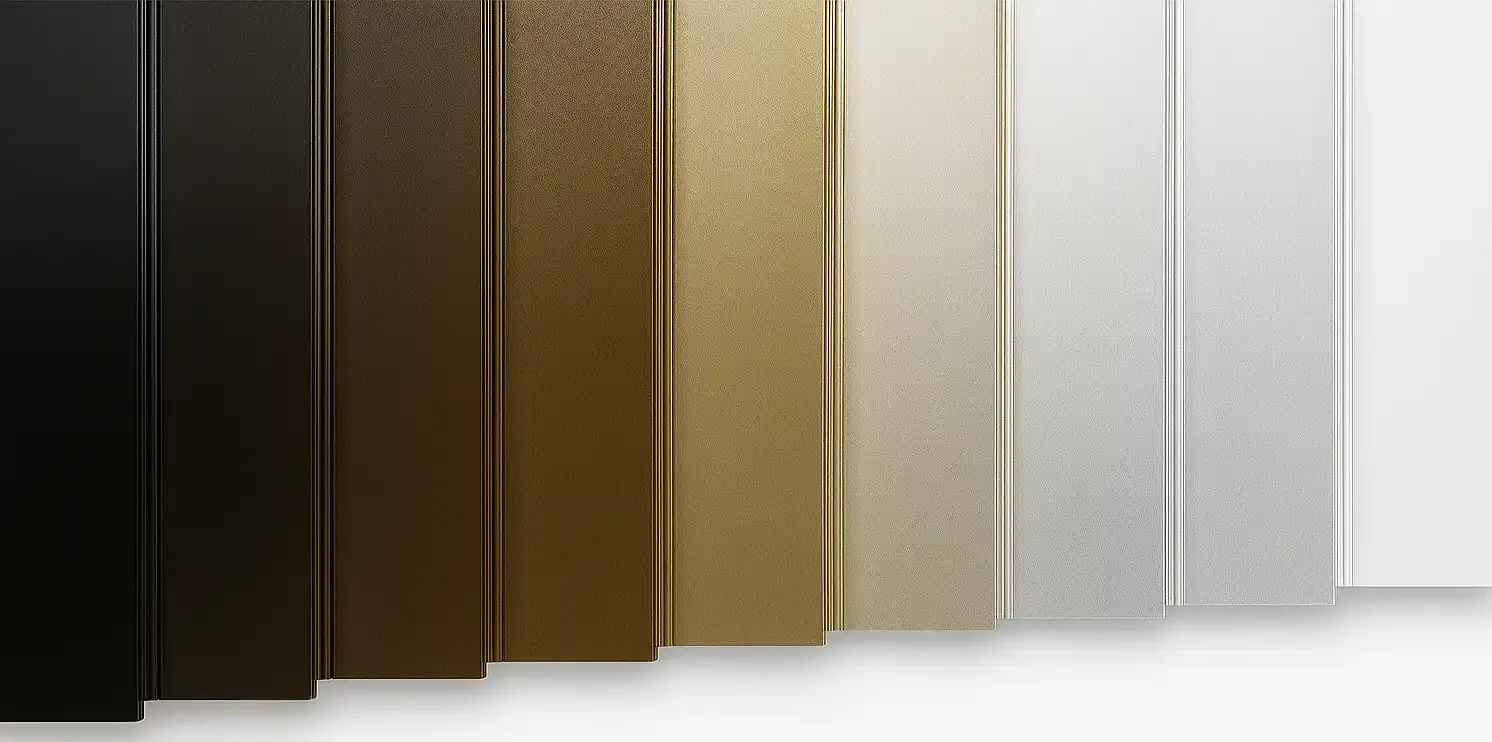
A color of your own on every line.

Pivotal system profiles are offered with different coating options:

  • Black
  • Bronze
  • Gold
  • Beige
  • White
  • Anodized Pivotal aluminum profiles Anodizing. A hard oxide layer formed in the aluminum's own surface; unlike paint, it does not blister or peel.Offers metallic tones such as natural, bronze, titanium and champagne.Provides long-lasting protection against corrosion and wear.
  • Pivotal door profile with electrostatic coating Electrostatic coating. Offers aesthetic freedom with a wide RAL color range.A long-lasting coating with high UV resistance.Provides superior protection against outdoor weather conditions.

01 · Surface Option

Glass

Glass surface image 1
Glass surface image 2
Glass surface image 3

Glass is a material with a clear, translucent or opaque surface, used in door systems as both an aesthetic and a functional element. In modern architecture, glass brings natural light into the interior while creating visual continuity between spaces. The glass used in Pivotal door systems is chosen not only as an aesthetic element but as a high-quality component that provides security and insulation.

Tempered, laminated or double-glazing technologies are used in production to provide superior resistance to impact, temperature changes and security risks. Many options such as clear, smoked, bronze, reflective or frosted glass are offered to suit the desired design language. Pattern, engraving or color coatings applied to the glass surfaces also give the door design a distinctive character.

Technical and Functional Properties

Surface
clear, translucent or opaque surface
Different glass types
tempered, laminated, double glazing
High impact resistance
produced to safety standards
Wide design options
clear, smoked, bronze, frosted, reflective
Glass surface applications
pattern, engraving or color coatings
UV-protected glass options
prevents fading
Full integration with Pivotal doors
for use on pivot, panel and interior doors
  • Different glass types – tempered, laminated, double glazing
  • High impact resistance – produced to safety standards
  • Solutions that provide thermal and acoustic insulation
  • Wide design options – clear, smoked, bronze, frosted, reflective
  • Optional pattern and engraving applications
  • UV-protected glass options – prevents fading
  • Easy-to-clean surface
  • Resistant to changes in moisture and temperature
  • Full integration with Pivotal doors – for use on pivot, panel and interior doors

Options

  • Tempered
  • Laminated
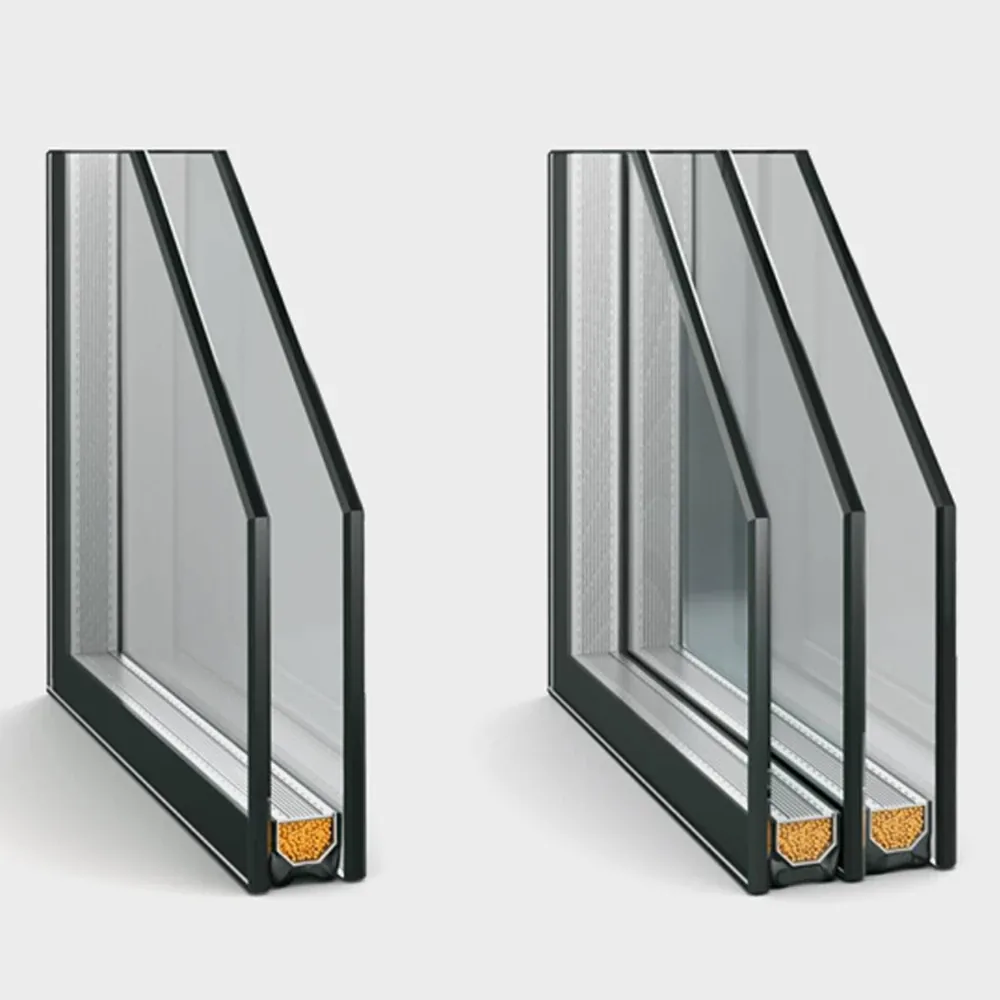
  • Double glazing
  • Clear
  • Smoked
  • Bronze
  • Frosted
  • Reflective
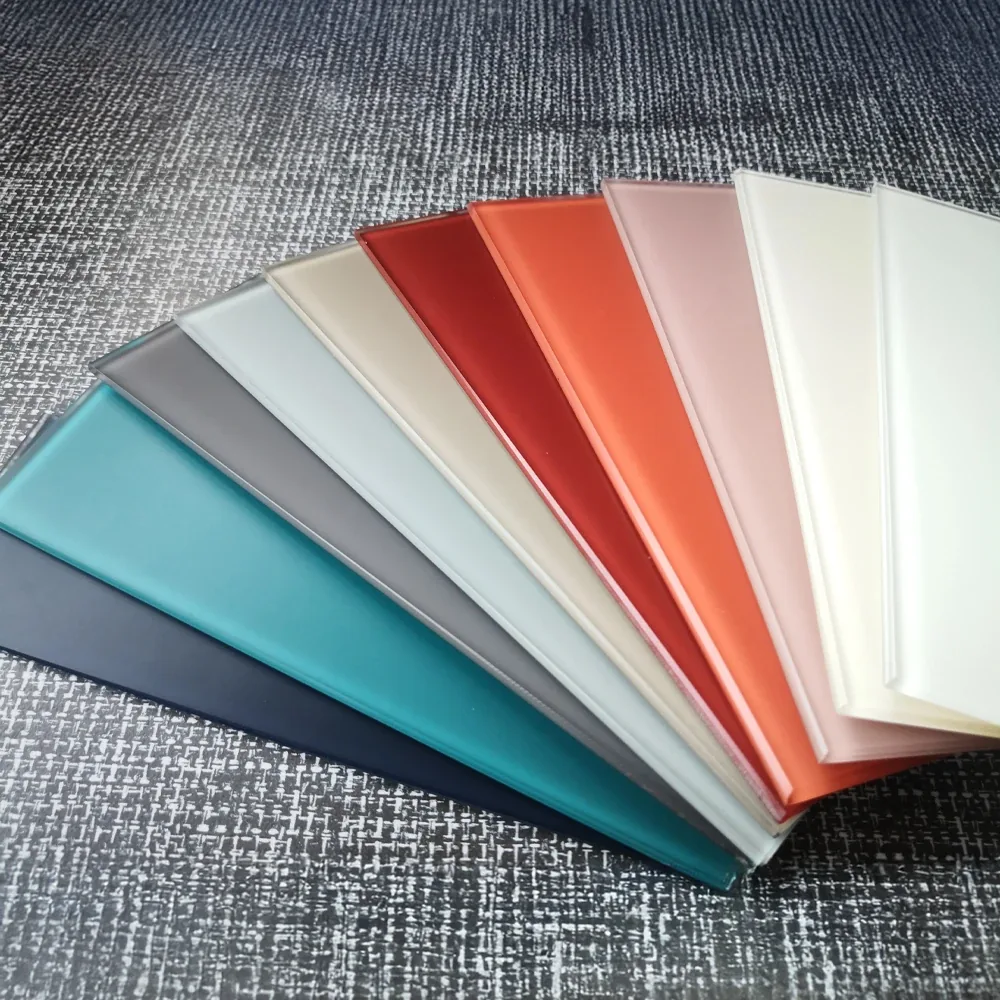
  • Colored enamel-painted glass samples
  • Fabric-laminated glass samples – glass panels clad with decorative metal mesh
  • Double and triple glazing insulation units
Glass page

02 · Surface Option

Porcelain

Porcelain surface image 1
Porcelain surface image 2

Porcelain door cladding is an innovative application that combines durability and an aesthetic look on door surfaces. Usually made of thin, high-density porcelain slabs, it is applied to the front and/or back of the door with special adhesives. These claddings are highly resistant to scratches, impact, UV rays and moisture. They offer modern, long-lasting solutions especially in prestigious projects such as luxury residences, hotels and commercial buildings.

Porcelain-clad doors bring elegance to the space with natural stone, marble, concrete or wood-look surface options. Antibacterial, stain-resistant and easy to clean, they are also preferred where hygiene matters. Their fire-resistant structure adds a further safety advantage. The hardness of the surface provides high protection against impact and keeps the door looking as elegant as on day one for years.

Technical specifications

Material Structure
Thin-cut porcelain or compact laminate backed panels
Thickness
3–6 mm porcelain + coating system; can be produced to suit the door thickness
Surface Durability
Resistant to scratches, impact and abrasion; ≥7 on the Mohs hardness scale
Water and Moisture Resistance
100% waterproof, unaffected by moisture
UV Resistance
Fade-proof colors, keeps its form in sunlight
Fire Resistance
Class A1 non-combustible (EN 13501-1); does not ignite, low smoke production
Hygiene & Cleaning
Antibacterial surface, easy to clean, stain-resistant
Chemical Resistance
Resistant to household cleaning products and chemicals
Surface Options
Matte, glossy, stone, marble, concrete, metal and wood-pattern alternatives
App
applied to the front and/or back of the door with special adhesives
Areas of use
in prestigious projects such as luxury residences, hotels and commercial buildings

  • Thin-cut porcelain or compact laminate backed panels
  • 3–6 mm porcelain + coating system
  • Can be produced to suit the door thickness
  • Resistant to scratches, impact and abrasion
  • ≥7 on the Mohs hardness scale
  • 100% waterproof, unaffected by moisture
  • Fade-proof colors, keeps its form in sunlight
  • Class A1 non-combustible (EN 13501-1)
  • Does not ignite, low smoke production
  • Antibacterial surface, easy to clean, stain-resistant
  • Resistant to household cleaning products and chemicals
  • Matte, glossy, stone, marble, concrete, metal and wood-pattern alternatives

Options

  • Matte
  • Glossy
  • Stone
  • Marble
  • Concrete
  • Metal
  • Wood-patterned
Porcelain page

03 · Surface Option

Technowood Veneer

Technowood Veneer surface image 1
Technowood Veneer surface image 2

Technowood is an innovative building system that combines light, durable materials such as aluminum, composite and GRP with a natural wood veneer only 0.5 mm thick. With this technology, the warm, natural look of wood is perfectly combined with the lightness, environmentally friendly production and long service life that modern buildings require.
With class A2-s1-d0 fire resistance and EPD environmental product declaration certification, Technowood panels meet not only aesthetic but also high performance and safety standards.

At Pivotal we prefer Technowood technology especially for door panels integrated into facades, for surfaces exposed to sunlight and for high-humidity environments. In this way we offer the user the elegance of natural wood together with the advantages of modern engineering.

Technical specifications

Material Structure
Aluminum, aluminum composite or GRP (glass fiber reinforced polyester) body; covered with real 0.5 mm natural wood veneer
Fire Resistance
Class A2-s1-d0 fire resistance (according to EN 13501-1); non-flammable surface and low smoke emission
Environmentally Friendly Production
Up to 98% savings in solid wood; EPD (Environmental Product Declaration) certified
Installation Advantages
Special technology that prevents the wood from moving (no cracking or warping); a structure that minimizes screwing, carrier system installation and additional parts
Outdoor Durability
Special surface treatments resistant to UV, moisture and weather; can be used in facades, ceiling cladding and sun-shading systems
Design Flexibility
Veneer options in different wood species and colors (oak, teak, walnut, etc.); CNC machining, patterning and form customization are possible
Standards & Certificates
EN 13501-1 (fire), ISO 9001 (quality); EPD (environmental impact), CE marking
Where Pivotal uses it
door panels integrated into facades, surfaces exposed to sunlight and high-humidity environments
  • Aluminum, aluminum composite or GRP (glass fiber reinforced polyester) body
  • Covered with real 0.5 mm natural wood veneer
  • Class A2-s1-d0 fire resistance (according to EN 13501-1)
  • Non-flammable surface and low smoke emission
  • Up to 98% savings in solid wood
  • EPD (Environmental Product Declaration) certified
  • Special technology that prevents the wood from moving (no cracking or warping)
  • A structure that minimizes screwing, carrier system installation and additional parts
  • Special surface treatments resistant to UV, moisture and weather
  • Can be used in facades, ceiling cladding and sun-shading systems
  • Veneer options in different wood species and colors (oak, teak, walnut, etc.)
  • CNC machining, patterning and form customization are possible
  • EN 13501-1 (fire), ISO 9001 (quality)
  • EPD (environmental impact), CE marking

Options

  • Oak
  • Teak
  • Walnut
Technowood Veneer page

04 · Surface Option

Compact Panel

Compact Panel surface image 1
Compact Panel surface image 2

Compact Panel is an extremely durable, dense decorative board produced by coating resin-impregnated kraft papers pressed under high pressure with a melamine surface. It shows high resistance to water, steam, moisture and impact. This makes it a long-lasting solution especially for wet areas and high-traffic spaces.

Usable both indoors and outdoors, compact panels stand out for their maintenance-free structure. Thanks to their antibacterial surface they are also ideal where hygiene comes first. With different color, pattern and thickness options they combine aesthetics and functionality.

Compact Panel Technical Specifications:

Material Structure
High-pressure-laminated kraft paper + melamine resin surface
Resistance to Water and Moisture
100% waterproof; a structure resistant to high humidity and steam
Fire Resistance
Class B-s1, d0 according to EN 13501-1 (optional)
Hygienic Structure
Antibacterial surface (EN 438 standard); easy to clean and resistant to chemicals
Aesthetic Options
Different color, pattern and texture alternatives (wood, stone, solid color, etc.)
Mechanical Strength
High resistance to scratches, impact and abrasion; suitable for high-traffic areas
Heat Resistance
Keeps its form under temperature differences; low expansion rate when exposed to heat
Area of use
in wet areas and high-traffic spaces; both indoors and outdoors
  • High-pressure-laminated kraft paper + melamine resin surface
  • 100% waterproof
  • A structure resistant to high humidity and steam
  • Class B-s1, d0 according to EN 13501-1 (optional)
  • Antibacterial surface (EN 438 standard)
  • Easy to clean and resistant to chemicals
  • Different color, pattern and texture alternatives (wood, stone, solid color, etc.)
  • High resistance to scratches, impact and abrasion
  • Suitable for high-traffic areas
  • Keeps its form under temperature differences
  • Low expansion rate when exposed to heat

Options

  • Wood
  • Stone
  • Plain color
Compact Panel page

05 · Surface Option

Aluminum

Aluminum page

06 · Surface Option

Natural Wood Veneer

Natural Wood Veneer surface image 1
Natural Wood Veneer surface image 2
Natural Wood Veneer surface image 3

Natural wood veneer is both an aesthetic and an economical surface solution, created by pressing thin layers cut from a real log onto door panels or other surfaces. This method preserves the natural texture and warm look of solid wood while optimizing the use of material. Each veneer sheet is unique in its grain and color tone, which makes every door one of a kind.

The natural wood veneers used in Pivotal door systems are produced from selected high-quality wood species and undergo special protective treatments to increase surface durability. UV-protected varnish, oil or matte polish applications minimize fading and deformation caused by changes in moisture and temperature. As a result, they keep their form and aesthetics for many years, both indoors and outdoors.

Technical and Functional Properties

Real wood surface
natural grain and color tones
Different wood species
oak, walnut, teak, iroko, etc.
Thin veneer technology
solid-wood look, light and stable structure
UV-protected surface treatments
resistance to fading
Surface protection applications
UV-protected varnish, oil or matte polish applications
Finish options
Matte, semi-matte or glossy
Environmentally friendly production
reduces material waste
Area of use
both indoors and outdoors
Full compatibility with Pivotal doors
applicable to pivot, panel and interior doors
  • Real wood surface – natural grain and color tones
  • Different wood species – oak, walnut, teak, iroko, etc.
  • Thin veneer technology – solid-wood look, light and stable structure
  • UV-protected surface treatments – resistance to fading
  • Resistant to moisture and temperature changes
  • Matte, semi-matte or glossy finish options
  • Environmentally friendly production – reduces material waste
  • Easy maintenance and renewal
  • Full compatibility with Pivotal doors – applicable to pivot, panel and interior doors

Options

  • Oak
  • Walnut
  • Teak
  • Iroko
  • Matte
  • Semi-matte
  • Glossy
Natural Wood Veneer page

07 · Surface Option

Natural Wood

Natural Wood surface image 1
Natural Wood surface image 2
Natural Wood surface image 3

Natural wood is a premium surface material obtained directly from the log and processed with its natural fiber texture preserved. Thanks to its warm, sincere and timeless aesthetics, it is preferred in both modern and classic door designs. Each panel offers a unique visual texture with its own grain and color tones, which makes every door a one-of-a-kind design.

The natural wood surfaces used in Pivotal door systems are produced from selected quality wood species and undergo special protective treatments for a long service life. With natural varnish, oil or matte polish coatings, the surface is protected against external effects while the feel of its texture is preserved. Special applications with increased UV protection and moisture resistance are made for indoor and outdoor use.

Technical and Functional Properties

Completely natural wood texture
every panel is unique
Different wood species
oak, walnut, teak, iroko, etc.
Warm, natural aesthetics
suits classic and modern design
UV-protected surface treatments
prevents fading
Surface protection
With natural varnish, oil or matte polish coatings
Area of use
Suitable for indoor and outdoor use
Full compatibility with Pivotal doors
applicable to pivot, panel and interior models
  • Completely natural wood texture – every panel is unique
  • Different wood species – oak, walnut, teak, iroko, etc.
  • Warm, natural aesthetics – suits classic and modern design
  • UV-protected surface treatments – prevents fading
  • Reinforced against moisture and temperature changes
  • Surface protection with natural varnish or oil
  • Easy maintenance and renewal
  • Suitable for indoor and outdoor use
  • Full compatibility with Pivotal doors – applicable to pivot, panel and interior models

Options

  • Oak
  • Walnut
  • Teak
  • Iroko
Natural Wood page

08 · Surface Option

Lacquered Surface

Lacquered Surface surface image 1
Lacquered Surface surface image 2
Lacquered Surface surface image 3

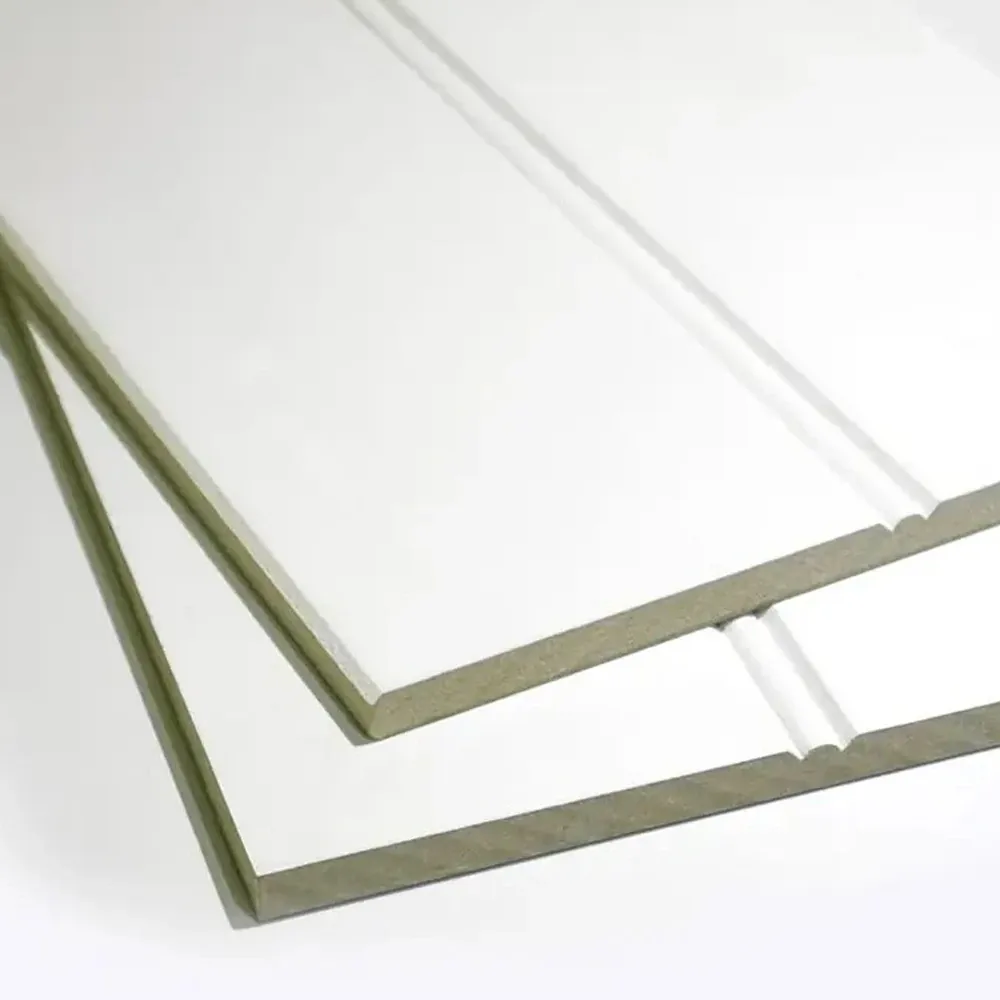
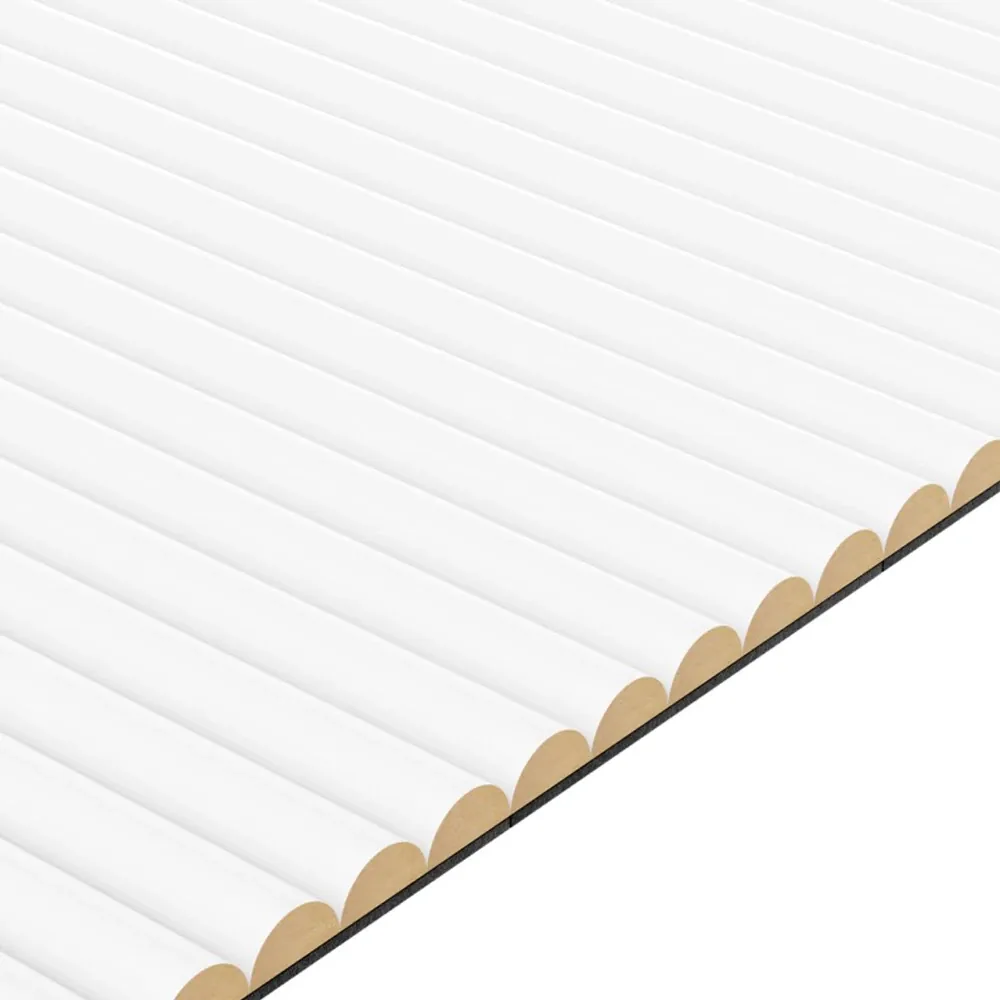
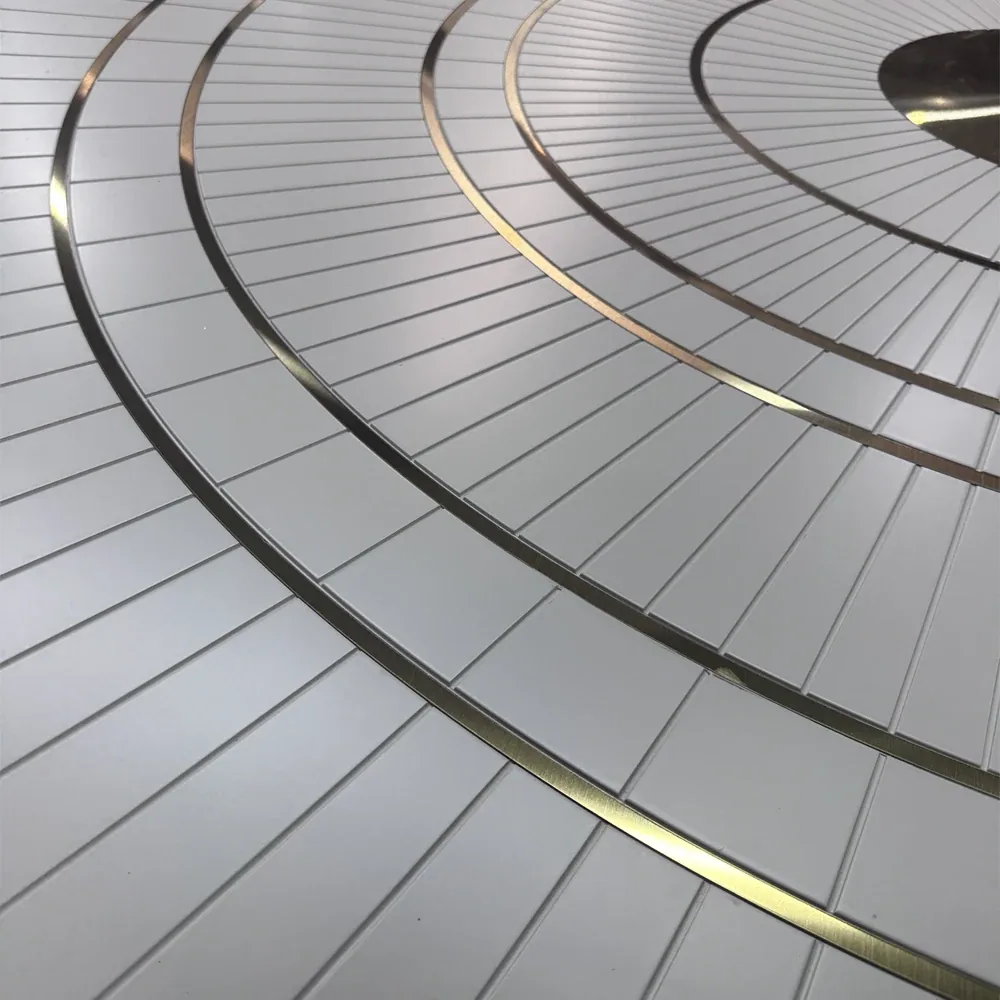
A lacquered surface is a high-end finishing technique in which wood or MDF panels are given a smooth, glossy or matte look through a special painting and polishing process. Offering an elegant and modern effect, lacquer is preferred especially in luxury door, furniture and interior design for its high color saturation and flawless surface. During production, the surface is sanded, primed and coated with layers of paint several times to achieve a flawless texture.

Standing out not only for their looks but also for their durability, lacquered surfaces are reinforced with special protective layers against problems such as moisture, staining and yellowing. With matte, semi-matte or glossy finish options they suit both classic and modern design. The color range is almost unlimited, and production is possible in any RAL or custom tone.

Technical and Functional Properties

Production process
the surface is sanded, primed and coated with layers of paint several times to achieve a flawless texture
Superior surface quality
smooth, uniform appearance
Multiple finish options
matte, semi-matte, glossy
Unlimited color options
RAL, NCS or custom tones
Compatible panels
Compatible with wood, MDF and similar panels
Multi-layer application technique
long service life
  • Superior surface quality – smooth, uniform appearance
  • Multiple finish options – matte, semi-matte, glossy
  • Unlimited color options – RAL, NCS or custom tones
  • Resistant to moisture and stains
  • Protection against yellowing with special UV-protected paints
  • Easy-to-clean surface
  • Compatible with wood, MDF and similar panels
  • Multi-layer application technique – long service life
  • Aesthetics that suit modern and classic designs

Options

  • Matte
  • Semi-matte
  • Glossy
  • RAL
  • NCS
  • Custom tones
  • Lacquered surface, flat panel form
  • Lacquered surface, roller-coated panel
  • Lacquered surface, panel design with circular gold detail
Lacquered Surface page

Bespoke Production

Get in touch for solutions tailored to your project.